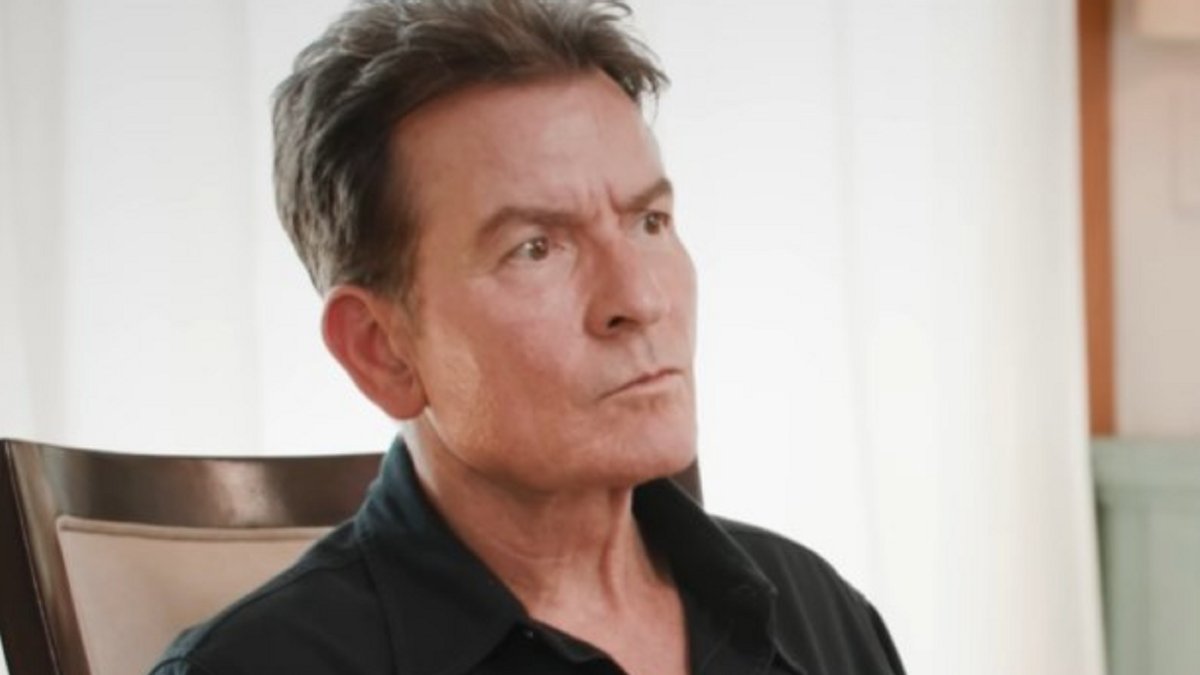
Charlie Sheen reflects on one of the most turbulent chapters of his life, revisiting the height of his addiction struggles in California. In past interviews and podcast appearances, including conversations referenced on the Armchair Expert podcast with Dax Shepard, Sheen has spoken openly about his history with substance abuse and the extreme lifestyle that came with it.
Sheen has claimed that during the worst period of his addiction, he was spending tens of thousands of dollars per day supporting his drug use. Charlie openly admits he was spending in the range of $15,000 to $30,000 daily on crack during that time. While shocking, Sheen’s remarks are part of a broader pattern of honesty he has shown in recent years about the chaos, consequences, and eventual reckoning that followed his rise and fall in Hollywood.
At the peak of his career, Charlie Sheen was one of Hollywood’s highest-paid television actors, best known for roles in Two and a Half Men, Platoon, and Wall Street. However, his success was repeatedly overshadowed by highly publicized struggles with addiction, erratic behavior, and legal issues.
Charlie Sheen Is Not Alone in Shocking Addiction Admissions
Over the years, Sheen has stepped in and out of the spotlight while working to rebuild his health, family relationships, and career stability. In recent interviews, he has acknowledged that recovery has been an ongoing process rather than a single turning point. Today, Sheen has said he is focused on maintaining sobriety, repairing relationships, and continuing to move forward in a healthier direction.
Sheen is not the only celebrity who has openly discussed extreme spending or substance abuse during addiction struggles. Several well-known musicians and entertainers have also spoken publicly about their experiences, according to People, including:
- Steven Tyler – has openly discussed past drug use during Aerosmith’s peak years
- Ozzy Osbourne – documented decades-long substance struggles in interviews and memoirs
- Eric Clapton – has publicly discussed heroin addiction and recovery
- Keith Richards – has described extensive drug use during the band’s early years
The Real Health Toll of Long-Term Drug Abuse
These stories, while different in detail, highlight a recurring theme in the entertainment industry. Fame, pressure, and access often collide in dangerous ways. Medical experts consistently warn that long-term stimulant and opioid abuse can have severe physical and psychological effects.
According to the National Institute on Drug Abuse (NIDA), chronic drug use can impact:
- Heart function and cardiovascular health
- Brain chemistry and decision-making ability
- Emotional regulation and mental health stability
- Long-term memory and cognitive performance
Charlie Sheen’s California Recovery, Redemption, and Life After Addiction
Even for individuals who recover, long-term effects can persist, making ongoing treatment and support essential. In recent years, Sheen has spoken more openly about attempting to rebuild his life, focusing on sobriety and family relationships.
He has described recovery as a daily process rather than a destination, emphasizing accountability and long-term change. His journey mirrors that of many public figures who have transitioned from highly public struggles into more private, stable lives.
“As someone who grew up around addicts who were not even close to Charlie’s level, I am SO glad he made it out ok!” Writes MariahYanko5588.
“It’s nice to see Charlie come full circle this many years later, seeing him in a good place,” OfficialPeteyTv adds.
Where to Find Help for Addiction
For anyone struggling with substance use, help is available:
- SAMHSA National Helpline (U.S.)
https://www.samhsa.gov/find-help/national-helpline - National Institute on Drug Abuse – Treatment Resources
https://nida.nih.gov/research-topics/treatment - Substance Abuse Treatment Locator
https://findtreatment.gov
These services are confidential and available to individuals seeking treatment or support. Charlie Sheen’s past remains one of Hollywood’s most widely discussed cautionary tales, but his recent reflections continue to highlight a different focus: survival, recovery, and rebuilding.
While the numbers he has shared about his past remain shocking, they also underscore a larger truth about addiction. One that extends far beyond celebrity headlines. For Charlie Sheen and many others in the entertainment industry, the story is no longer just about excess. It’s about what comes after.


Joann covers high-profile industry features, investigative entertainment stories, and long-form trending media profiles. She has 15 years of experience in the online news vertical.