A Missouri woman and her family recently returned home from their vacation in Hawaii. As you can expect, they are all tired and frazzled from the long flight, and everything that goes with vacationing. So you can imagine the last thing she wanted to do was deal with something unexpected, not to mention a little frightening.
TikTok creator @sarahkraffty shared her nerve-wracking situation with her followers, explaining that once they returned home, she realized that a couple of members of her family had unintentionally brought back a couple of forbidden objects from Hawaii. Once she realized exactly what they were, she was frantic to make things right as soon as possible.
Missouri Woman Discovers Hawaii Lava Rocks Hidden in Family’s Shoes
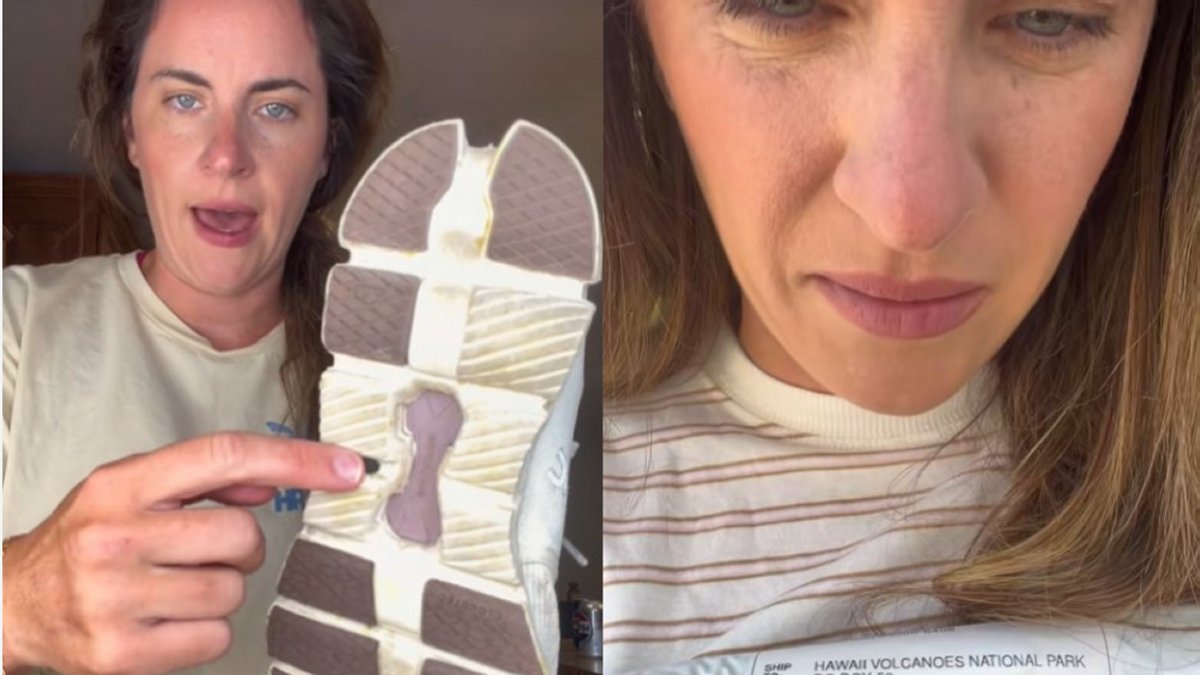
The Missouri content creator explained that after arriving home from Hawaii, she noticed several small rocks lodged in the soles of her family’s shoes. While they may have appeared to be ordinary pebbles, Sarah believed at least one of them was volcanic lava rock, a natural item that many visitors are warned not to remove from the Hawaiian Islands.
In a now-viral TikTok video, Sarah showed viewers the bottom of her shoe before explaining why she was immediately concerned. “It is extremely bad luck to bring back anything from Hawaii,” she told viewers. Rather than dismissing the discovery, Sarah decided she wasn’t willing to take any chances.
She placed the rocks inside an envelope addressed to Hawaii’ Volcanoes National Park and included a handwritten note explaining they had accidentally become lodged in the bottom of their shoes. She then mailed them back to Hawaii, joking that she wasn’t planning on doing “anything dangerous” for the next few days.
“THIS IS HOW YOU VISIT AND RESPECT CULTURE,” one commenter writes.
“2026 has been rough. I wouldn’t risk it either,” another adds.
Pele’s Curse Has Been Part of Hawaii Folklore for Decades
Sarah’s concern centers around what many people refer to as Pele’s Curse, a long-standing Hawaiian legend claiming that anyone who removes lava rocks, sand, coral, or other natural items from the islands will experience bad luck until those items are returned.
The legend is associated with Pele, the Hawaiian goddess of volcanoes and fire, who is deeply respected throughout Hawaiian culture. Although historians debate exactly when the modern version of the curse originated, it has become one of Hawaii’s best-known tourist stories.
Whether visitors believe in the curse or not, many Native Hawaiians say removing natural objects shows disrespect for the land, known locally as ʻāina, which carries significant cultural and spiritual importance. For many residents, respecting Hawaii’s natural beauty isn’t simply about avoiding bad luck. It’s about protecting one of the world’s most unique ecosystems.
Thousands of Visitors Mail Rocks Back to Hawaii Every Year
This Missouri family is far from the first tourist to return rocks after leaving Hawaii. According to Hawaiʻi Volcanoes National Park and park officials interviewed over the years, the park receives thousands of returned lava rocks, sand, coral, shells, and apology letters from visitors every year. Many packages include handwritten notes from people who say they experienced illness, financial hardship, relationship problems, accidents, or other streaks of bad luck after taking natural items home.
Some letters describe years of misfortune before deciding to return the rocks in hopes of ending the alleged curse. Because so many packages arrive each year, park employees have publicly explained that returned items generally cannot simply be placed back into the landscape.
Once removed, the rocks lose their original location, making it impossible to return them to where they came from without potentially disrupting Hawaii’s fragile ecosystem. Instead, many returned items are collected and managed by park staff.
Taking Lava Rocks and Natural Objects Can Also Be Illegal
Beyond local traditions, removing natural objects from protected areas in Hawaii can violate federal or state laws. The National Park Service prohibits visitors from removing rocks, plants, sand, archaeological materials, wildlife, and other natural resources from national parks. Violations can result in fines and other penalties depending on the circumstances.
Hawaii also has laws protecting many beaches, parks, coral reefs, and other environmentally sensitive areas. Even when someone accidentally brings home a small rock, officials encourage visitors to leave natural objects where they belong to help preserve the islands for future generations.
Are Bad Luck Superstitions Real?
Scientists have never found evidence proving that curses or bad luck superstitions directly cause negative events.
Psychologists at the American Psychological Association say superstitions can have a powerful influence on the way people think and behave. Research suggests that when people strongly believe something will bring either good or bad luck, that belief can affect confidence, stress levels, decision-making, and how they interpret everyday events.
This phenomenon is sometimes linked to confirmation bias, where people naturally pay more attention to events that support what they already believe while overlooking events that don’t. Whether someone believes in Pele’s Curse or simply wants to respect Hawaiian traditions, experts say there is little downside to leaving natural objects where they belong.
For Sarah, mailing the rocks back to Hawaii offered peace of mind and demonstrated respect for the islands she had just visited. Judging by the response online, plenty of other travelers agree that when it comes to possible bad luck, it’s better not to tempt fate.


Joann covers high-profile industry features, investigative entertainment stories, and long-form trending media profiles. She has 15 years of experience in the online news vertical.