The reported departure of Texas NBA broadcaster Jacob Tobey has quickly become one of the sports world’s most talked-about off-court stories, but the conversation has expanded well beyond basketball. As allegations about Tobey’s personal life spread across social media, fans found themselves debating a much larger question: Should an employee’s private conduct affect their professional career, especially when they represent a major sports franchise?
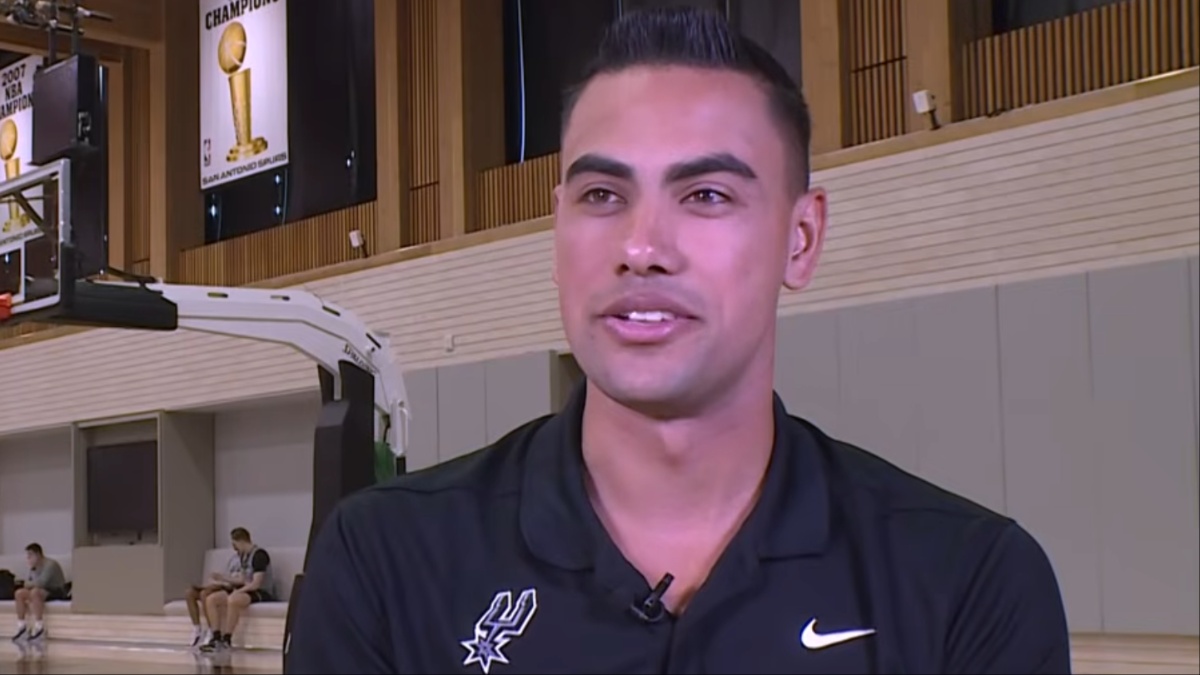
According to multiple reports, Jacob Tobey is no longer with the San Antonio Spurs organization following a wave of viral social media posts alleging the Texas man had been involved in an affair. While the timing has fueled widespread speculation, neither the Spurs nor Tobey has publicly detailed the reason for his reported exit. That lack of official information has created an information vacuum, with online users attempting to connect the dots themselves.
Texas NBA Broadcaster’s Cheating Scandal
Rather than focusing solely on the allegations, much of the online discussion has centered on whether employers should respond when an employee’s personal life becomes a public controversy.
One widely shared reaction via X, (formerly Twitter) summed up one side of the debate: “Firing Him For Cheating Is Valid.“
Supporters of that view argue that broadcasters are more than just employees. They are public-facing representatives of a franchise and often become recognizable personalities within a team’s community. If a controversy begins to overshadow the organization, they believe employers have the right to protect their brand and public image.
Others strongly disagree, arguing that alleged infidelity, while undeniably personal, should not automatically jeopardize someone’s livelihood. They contend that unless workplace policies were violated or job performance was affected, employers should be cautious about disciplining workers for behavior unrelated to their professional responsibilities.
That divide has transformed what might have once been viewed as celebrity gossip into a broader conversation about workplace expectations in the social media era.
Social Media Users Are Ruthless
Stories like this have become increasingly common as platforms like Instagram, TikTok, and X allow personal disputes to unfold in front of millions of people almost instantly. What may have once remained a private matter can now become national news within hours, creating enormous public pressure before employers have an opportunity to comment or complete any internal review.
It’s also a reminder that audiences increasingly expect organizations to respond quickly whenever a controversy involves someone associated with their brand. Whether that expectation is fair remains a matter of debate, but it reflects how internet culture has reshaped public accountability.
The speed at which online narratives develop also makes it difficult to separate verified information from speculation. As posts are shared, reposted, and discussed across multiple platforms, public opinion often forms long before official statements are released.
What Remains Unclear
While reports indicate Tobey is no longer with the Spurs, it remains unclear whether the reported personnel decision was directly connected to the viral allegations or whether additional factors contributed to his departure. Neither Tobey nor the organization has publicly explained the circumstances, meaning much of the online discussion remains speculative.
That distinction matters because social media conversations frequently move faster than confirmed reporting. Without official confirmation, it’s impossible to determine exactly what role, if any, the allegations played in the reported decision.
Why This Story Is Resonating
The reaction to Jacob Tobey’s reported exit illustrates a growing cultural debate that extends far beyond professional sports. In an era where personal lives can become public within minutes, employers are increasingly confronted with difficult questions about reputation, accountability, and employee privacy.
For Texas NBA fans, the story isn’t simply about one broadcaster. It’s about where the line should be drawn between personal behavior and professional consequences. As more workplace controversies unfold in public through social media, those questions are likely to become even more common, making stories like this resonate well beyond the NBA.


Trevor Joseph contributes daily news reports, focusing on swift, factual event turnarounds and audience-driven culture developments.