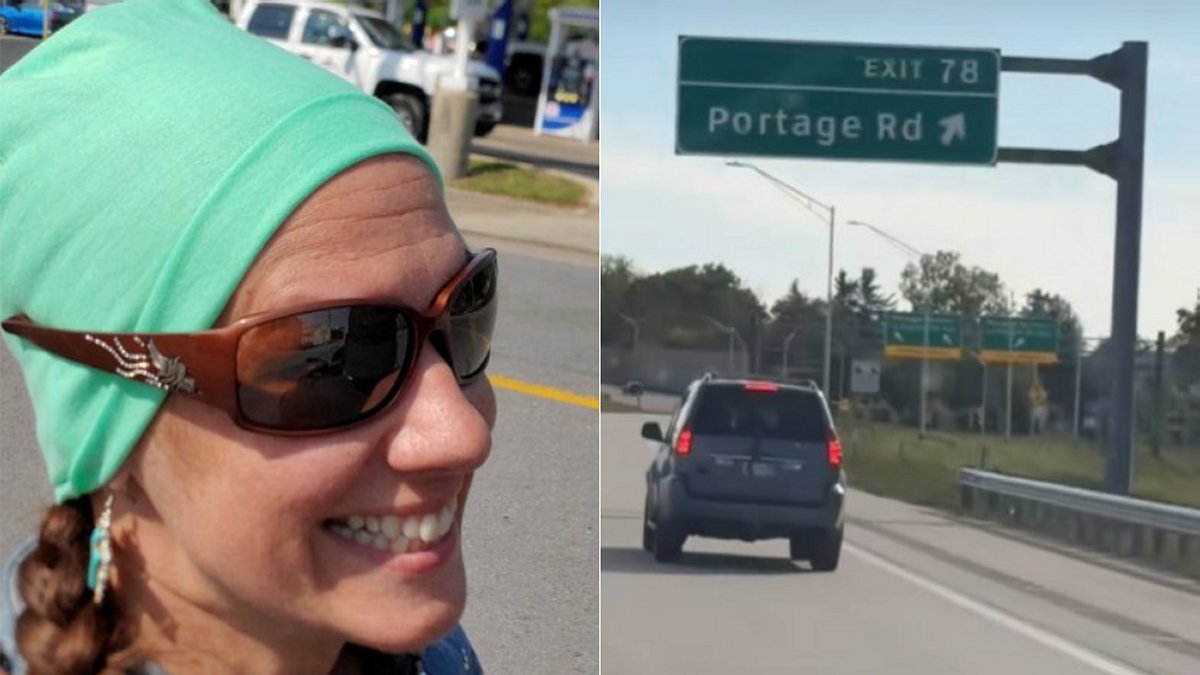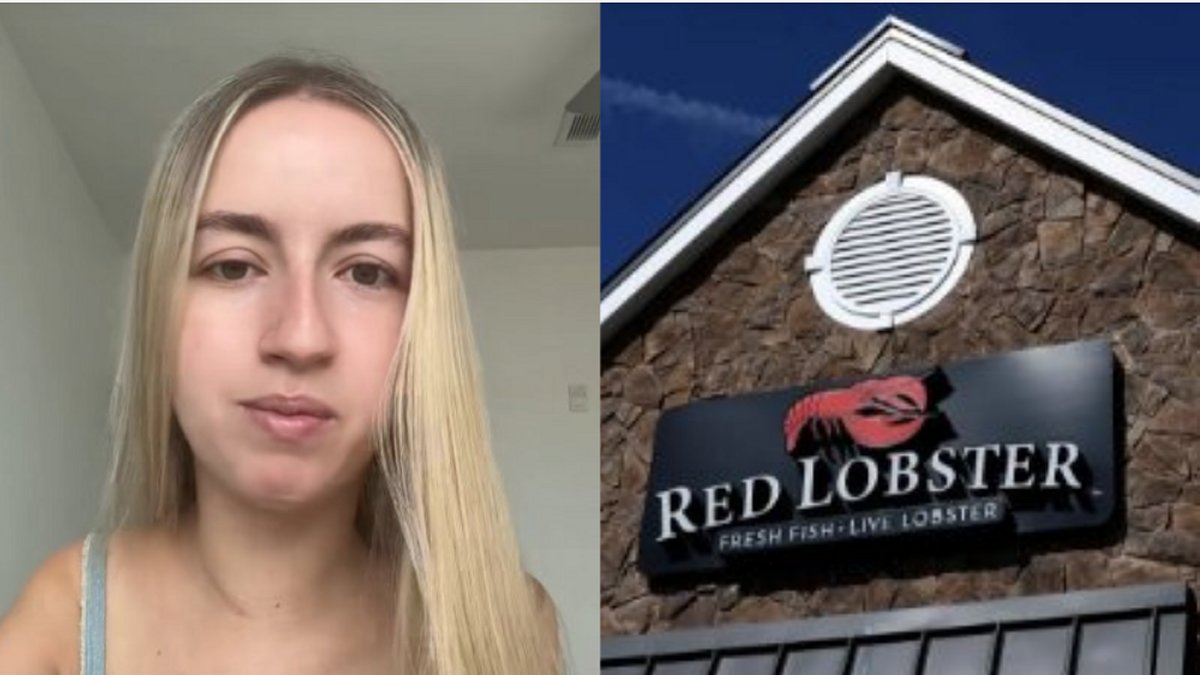
A Georgia woman with a disability shares that she has experienced many different responses to her requests to make her dining experiences easier and more enjoyable. So in hopes of others gaining a little more clarity and understanding. So she decided to test her requests with many restaurants to gauge their response and her experiences to share with others.
TikTok creator Sarah Todd Hammer reveals that during her recent trip to Red Lobster, she put in her order for crab legs. She says that she explained to her server that she has a physical disability and asked her server if the kitchen could crack them for her before serving. She admits she has requested this service many times throughout the years at different establishments, and the responses have varied, ranging from friendly assistance to disappointing interactions.
Hammer’s experience quickly gained attention online because it raised a question many diners with disabilities continue to discuss: how should restaurants respond when customers request simple accommodations that can make their meals more accessible?
The conversation has reached people across the country, including Georgia diners who have joined the discussion about customer service, accessibility, and whether businesses need clearer policies when handling requests from guests with disabilities.
Restaurant Responses to Georgia Woman’s Disability Requests Vary
For many people, going out to eat is a simple everyday activity. However, for some customers with disabilities, small barriers can turn an enjoyable meal into a stressful experience. Hammer explained that her goal was not only to share one restaurant encounter but also to show how differently businesses can respond to similar requests.
She has asked restaurants in the past if employees could assist by preparing certain foods in a way that makes them easier for her to enjoy. In some cases, she said workers were happy to help. In others, she described feeling like her request was treated as unusual or inconvenient.
Her Red Lobster visit became the latest example she shared with her followers. Hammer said she ordered crab legs and asked whether the kitchen could crack them before bringing the meal to her table. She explained that this adjustment would allow her to enjoy the meal more independently and avoid the difficulty of handling the shellfish herself.
Accessibility Should Not Require Explaining Personal Details
One of the biggest points Hammer discussed was the issue of having to explain a disability before receiving assistance. The Georgia woman said many people with disabilities do not always feel comfortable sharing personal medical information with strangers. Disabilities are not always visible, and a person should not necessarily have to provide details about their condition before asking for a reasonable adjustment.
Hammer also explained that having someone sit at the table cut up food for her is not always the best solution. While a friend, family member, or dining companion may be willing to help, it can create an uncomfortable situation and make the experience feel different from a typical restaurant visit.
Instead, she said having the kitchen prepare the food before it reaches the table is often a simpler and more convenient option.
Internet Joins the Conversation About Customer Service
After Hammer shared her experience, many restaurant workers and former employees joined the discussion online. Several commenters said they believe reasonable accommodations are simply part of providing good customer service. Some workers explained that requests such as cutting food, removing ingredients, or making small adjustments happen regularly in restaurants.
Others argued that employees should focus less on why a customer needs assistance and more on whether the request can reasonably be fulfilled. Many viewers also pointed out that accessibility should not depend on whether someone has a visible disability.
“Former server and line cook. The answer is always YES, and I don’t need to know why,” one follower writes.
“As a server, I would help you, we would make it happen,” Chelsa’ Galbreath adds.
“Who is saying no to this?” TeaCake asks.
What Disability Accommodation Rules Mean for Restaurants
In the United States, businesses that serve the public are generally required under the Americans with Disabilities Act to provide reasonable accommodations for customers with disabilities when those requests do not create an undue hardship or significantly change the nature of the service.
According to disability advocates, accessibility often comes down to small adjustments that allow customers to participate in everyday experiences more comfortably.
For restaurants, handling accommodation requests respectfully can involve listening to customers, training employees, and creating an environment where people feel welcome rather than embarrassed for asking for assistance.
For patrons, many advocates encourage understanding that not every disability is obvious and that a simple request may represent a person’s effort to enjoy the same experiences as everyone else.
A Larger Conversation About Inclusion
While Hammer’s Red Lobster experience focused on one meal, the discussion surrounding it has become much broader. Many people believe accessibility should be viewed as a normal part of customer service rather than something unusual. Small changes, whether they involve preparing food differently or making another reasonable adjustment, can have a meaningful impact.
As more people share their experiences, conversations like Hammer’s highlight the importance of creating spaces where everyone can enjoy everyday activities with dignity, independence, and respect.


Joann covers high-profile industry features, investigative entertainment stories, and long-form trending media profiles. She has 15 years of experience in the online news vertical.