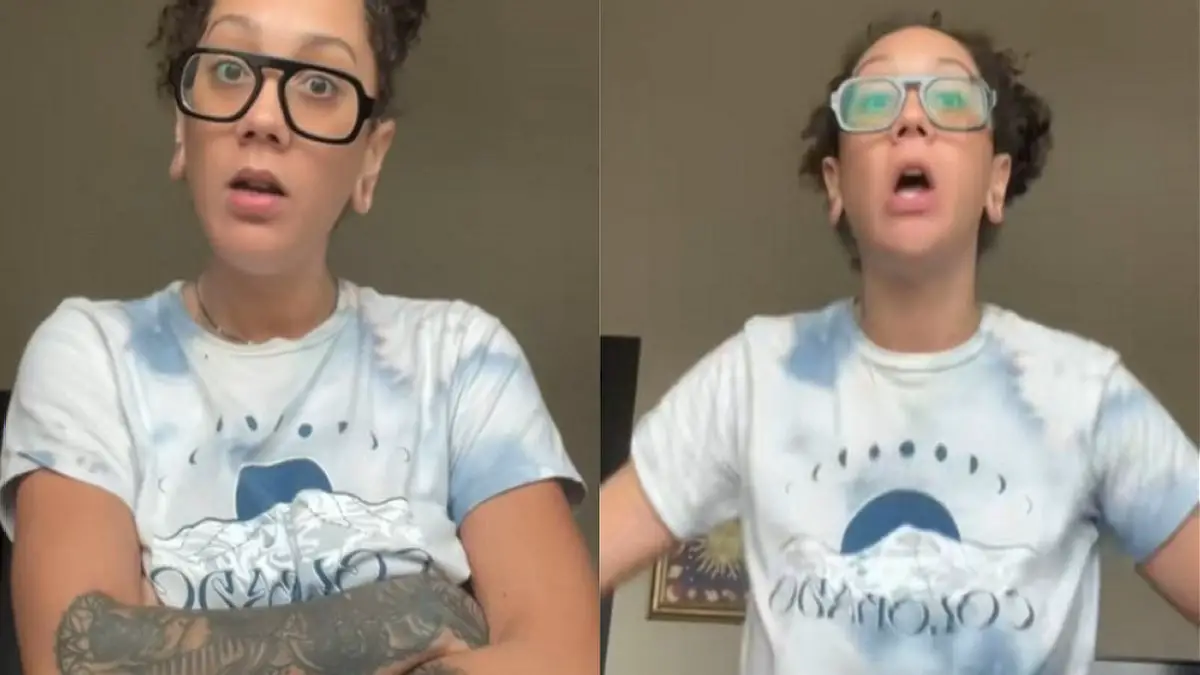
In Texas, a routine rental situation turned into a financial nightmare for one female resident in Denton. The young woman began noticing her rent climbing at an alarming rate, with charges appearing that made no sense and left her scrambling for answers. What seemed like a simple lease has now escalated into a legal showdown.
Skylar Ashton took to TikTok to share her story and to find that she is not the only one dealing with an unfair rental lease and costs. She explained that at the beginning of her lease, her base rent started at $1,350 per month, roughly $1,450 after standard utilities. But beginning last October, the numbers on her statement began creeping upward. By December, her rent ranged between $1,500 and $1,800, and by March, she was paying $1,900. A $450 jump in just five months.
Ashton shares that she documents everything. Every new charge, she screenshots and sends it to them. But so far her correspondence has gone unresponded to, leaving her at a dead end. “They can’t even explain what the fees are for, and every email goes unanswered.” Frustrated with the lack of communication, Ashton has joined other tenants in the building to pursue legal action against the Martino Group, the property management company.
Texas Tenant’s Frustrations and Shared Experiences
Her frustration highlights a growing trend nationwide. Rents are climbing faster than wages, leaving tenants vulnerable to sudden financial shocks. Experts advise renters to track all bills, keep copies of leases, and maintain clear records of communications with landlords. If an unexplained charge appears, tenants can dispute it and report it to housing authorities. Or pursue legal remedies, including seeking reimbursement for improper fees.
Ashton isn’t alone. Other tenants report similar unexplained charges and the same silence from management. One charge on her account was tied to a minor incident in which the fire department had to open her apartment after a cooking mishap. She was billed $355 for “maintenance” plus nearly $100 for minor supplies, even though damage was minimal.
With no on-site leasing office, residents often have to drive to attempt in-person discussions, which rarely resolve the issue. Ashton believes the management is avoiding direct communication, forcing tenants to take coordinated legal action.
One follower reveals a similar situation happening to her, stating, “I WAS DEVASTATED!”
“I’d pay my rent to the court until you get answers,” another suggests.
“Contact the news,” one more adds.
Renters Need To Protect Themselves
Texas law caps late fees based on building size. It requires itemized statements for withheld deposits and prohibits retaliation against tenants filing good-faith complaints for six months. Experts recommend documenting everything. Screenshots, receipts, emails, and phone logs are essential if legal action becomes necessary. Staying organized gives tenants the strongest chance to recover overcharges and protect their rights.
This young woman’s story is a cautionary tale for renters everywhere. Unexplained rent increases and unresponsive landlords are becoming increasingly common. But staying vigilant, documenting all charges, and knowing your rights can prevent financial exploitation. For Texans and renters nationwide, her experience is a reminder to fight back and protect yourself.


Sofia Bassett is an experienced celebrity gossip monger. She’s been following Hollywood scandals since before blogging was a thing, and she loves every minute of it.