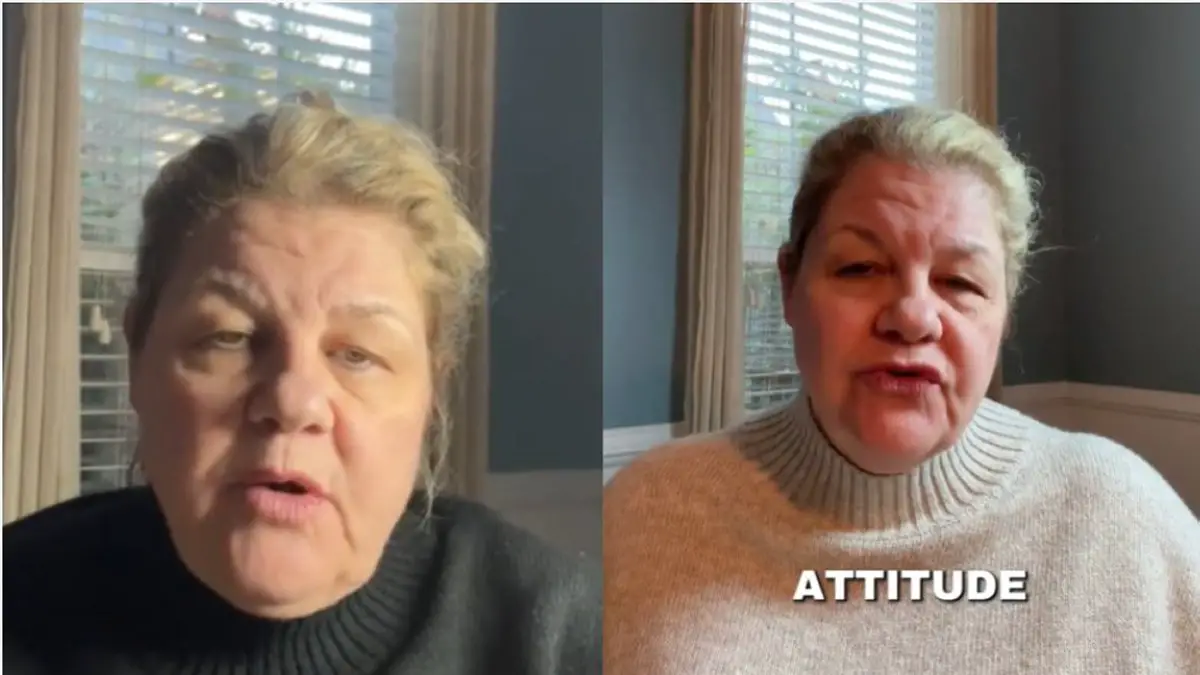
A North Carolina woman’s workplace dispute is making waves because it hits a nerve most employees know all too well. Being asked to smile politely while your employer does something that feels wildly unfair. In this case, a veteran worker says she was passed over for a promotion, then was immediately expected to train the person who got the role instead.

The employee explained that she was furious after watching a much younger hire step into the job she believed she’d earned. What adds fuel to this fire is that management turned around and treated her experience like an office resource they could tap into for free. Their request wasn’t subtle. They wanted her to walk the newcomer through the responsibilities she herself had just been told she wasn’t suited for. Her response was a firm no. Not dramatic. Not emotional. Just a boundary.
That refusal apparently didn’t sit well. Soon after, she was pulled into a meeting framed around her “attitude.” The irony was thick enough to spread on toast. Instead of addressing the awkward elephant in the room, the skipped promotion, or the expectation of unpaid mentoring. Instead, the focus shifted entirely to her supposed lack of collaboration.
North Carolina Woman Gets Cold Shoulder After She Refuses To Work For Free
This is where corporate language gets slippery. Words like team player and culture fit often sound supportive, but in practice, they can become pressure tactics. From her point of view, she wasn’t rejecting teamwork. She was declining to provide skilled labor without recognition or compensation. Yet somehow, the narrative flipped to paint her as difficult.
After that meeting, the atmosphere reportedly changed. She noticed she was being left out of discussions she normally would attend. Assignments she expected never landed on her desk. Small mistakes or delays suddenly felt magnified. It wasn’t explosive retaliation. But more like a slow professional freeze-out.
Instead of panicking, she started documenting everything. Emails. Conversations. Changes in workflow. It’s not dramatic. It’s practical. When workplace tensions escalate, a paper trail can make the difference between a frustrating story and a provable pattern.
Team Player or Corporate Doormat?
Because this unfolded in North Carolina, it’s worth understanding the legal backdrop. The state follows at-will employment rules, which give employers broad authority in managing their workforce. However, that flexibility doesn’t automatically shield a company from scrutiny if an employee believes they’re being retaliated against for asserting reasonable workplace boundaries.
Refusing unpaid labor. Especially when it falls outside a defined role can raise legitimate concerns. Employees who suspect retaliation can protect themselves by documenting incidents and, if needed, consulting an employment attorney or contacting the North Carolina Department of Labor. Even when the law doesn’t guarantee a win, knowing your options shifts the balance. Boundaries aren’t insubordination. They’re professional self-defense.
“Need team players, no, they want free workers,” one follower snarks.
“Them saying that reflects poorly on your leadership potential has got to be a JOKE!! NO, Management and HR, that reflected poorly on YOUR LEADERSHIP!!” another adds.
“HR is NOT your friend….EVER. They are the “legal department” protecting the company, first and foremost!” one more chimes in.
This story resonates because it reflects a broader tension. Companies often praise experience while quietly expecting it to be shared without question. Workers are increasingly pushing back against that expectation. Cooperation doesn’t mean sacrificing your own standing, and professionalism doesn’t require silent acceptance of every uncomfortable ask.
There’s a growing awareness that respect goes both ways. If a company values expertise, it should show that value in tangible ways, not just motivational slogans. At its core, this situation is about drawing a line and standing by it.
The employee’s refusal didn’t come from spite. It came from clarity about what her labor was worth. Whether this North Carolina dispute leads to change or simply becomes another cautionary tale, the lesson is clear. Saying no can feel risky, but sometimes it’s the most honest move in the room.


Nina Franklin can’t get enough of entertainment news. Movies, music, TV, celebrities, books, whatever it is she’s interested in it. She loves consuming content and sharing her findings with her readers.